Rare Native American Artifact Tools

Rare-Native-American-Artifact-Tools-01-sa Rare Native American Artifact Tools
Rare Native American Artifact Tools


Rare Native American Artifact Tools
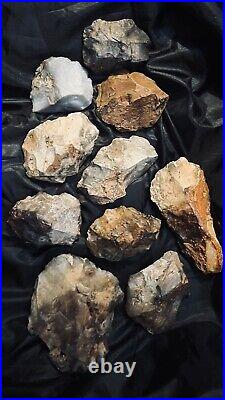
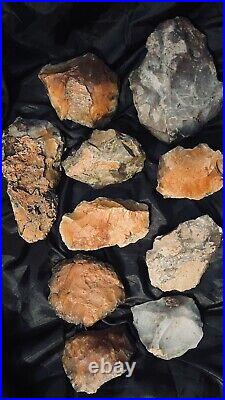
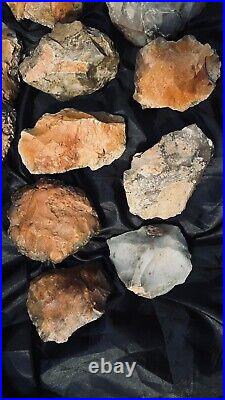
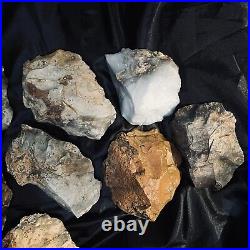
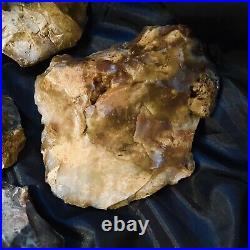
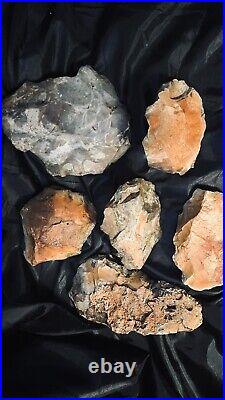
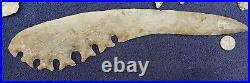
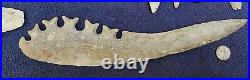
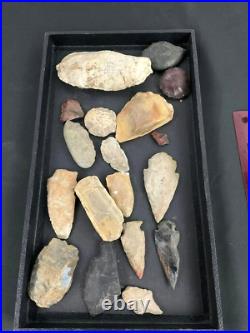
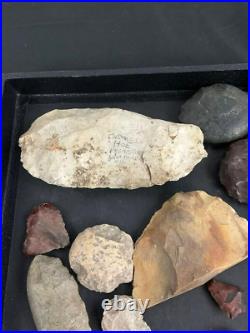
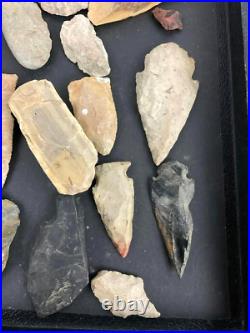
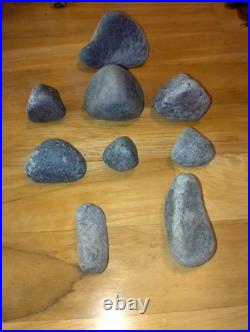
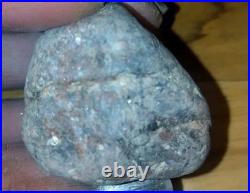
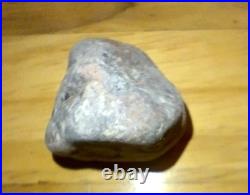
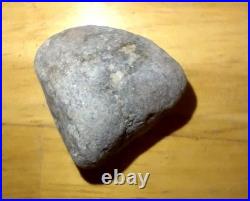
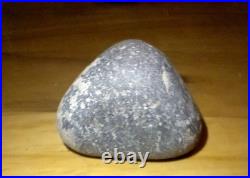
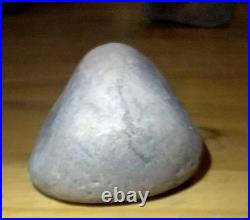
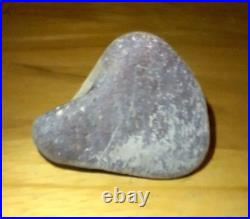
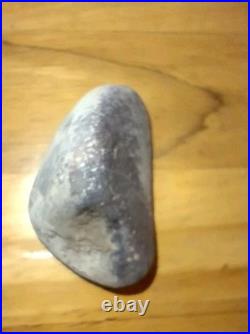
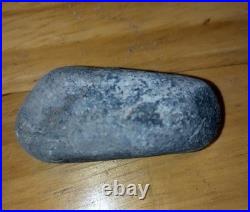
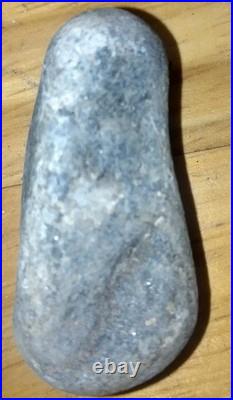
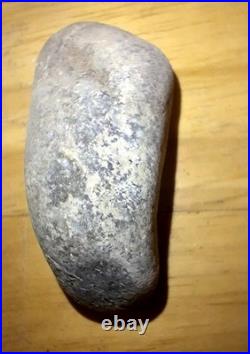
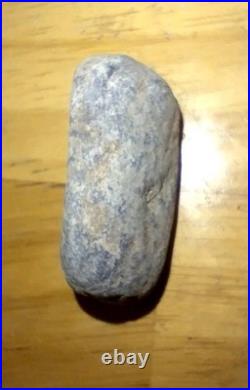
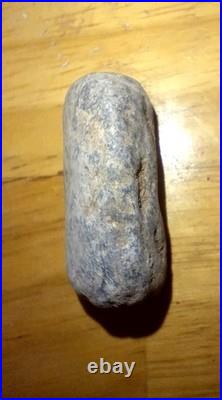
I live in Bernalillo, NM, seven pueblos are in the neighboring area of the town and each pueblo has a different and exciting history. I found these artifacts in my backyard. Lot of 9 tools About Bernalillo The Town of Bernalillo is set at the northwest slope of the Sandia Mountains and hugs the banks of the state’s major river, the Rio Grande. This community boasts being the historical center of the State of New Mexico with occupation reaching back almost a thousand years. Since the town is located between two Native American Pueblos, Sandia Pueblo on the south and Santa Ana Pueblo on the north, little opportunity exists for expansion beyond the current municipal boundary. Several early pueblo sites are found here. There are several pueblos located near the town Bernalillo which is in Sandoval county. Sandoval County has 12 Indian reservations and two joint-use areas lying within its borders. This is the second highest number of reservations of any county in the United States after San Diego County, California, which has 18 reservations. Riverside County, California also has 12 reservations, but no joint-use areas. I live 2 miles from Coronado Historic Site. Coronado Historic Site is the Tiwa pueblo of Kuaua and a historic site that is part of the State-governed Museum of New Mexico system. When archeologists from the Museum of New Mexico excavated Kuaua Pueblo during the 1930s, they discovered a square kiva in the south plaza of the community. This kiva, or ceremonial chamber, contained many layers of mural paintings. These murals represent some of the finest examples of Pre-Columbian art ever found in the United States. Coronado was searching for the fabled Seven Cities of Gold. Instead of treasure, he found a dozen villages inhabited by prosperous native farmers. These newly “discovered” people spoke Tiwa, and their ancestors had already been living in this area for thousands of years. Coronado called them: Los Indios de los Pueblos or Pueblo Indians. He and his men visited all twelve Tiwa villages during the course of the next two years because they survived on food and other supplies that they obtained from them. Without the assistance of the Tiwas (willing or unwilling), Coronado and his men very likely would have starved to death. Kuaua was the northernmost of the twelve villages. Its name means “evergreen” in Tiwa. It was first settled around AD 1325 and was occupied by approximately 1,200 people when Coronado arrived.
Rare Native American Artifact Tools

Rare! Collection of Lake Manix Tools, Paleo-American, Likely Pre-Clovis In Age

Rare-Collection-of-Lake-Manix-Tools-Paleo-American-Likely-Pre-Clovis-In-Age-01-pgql Rare! Collection of Lake Manix Tools, Paleo-American, Likely Pre-Clovis In Age
Rare! Collection of Lake Manix Tools, Paleo-American, Likely Pre-Clovis In Age

Rare! Collection of Lake Manix Tools, Paleo-American, Likely Pre-Clovis In Age
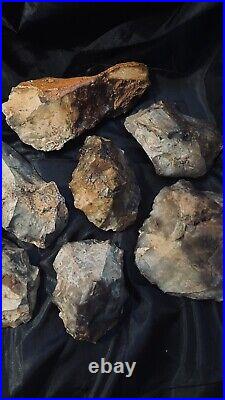
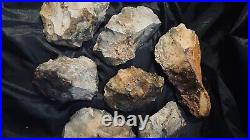
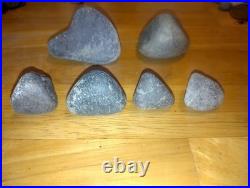
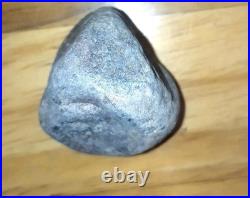
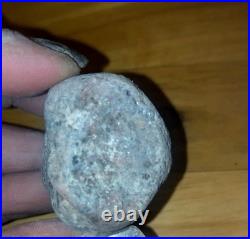
Children, drag up a rock, because this is quite a tale. More on that later. When you hear about them, you may want to. Here are a few things you should look up in Wikipedia: Calico Hills early man site, and Ruth de Ette Simpson. Again, more on these. In the early 1960s, the great Louis Leakey, paleoanthropologist who was first to discover a true prehistoric human ancestor, was finishing out his professional life at UC at Riverside, with a student helper named Dee Dee Simpson. Professor Leakey caused a. Furor when he claimed that the stone tools that he had found in the Calico Hills of the Mojave desert were perhaps as old as 60,000 years. The lake manix tools have been controversially dated at 12-19,000 bc, which, until very recently, was considered to be ridiculous. Everyone knew that the clovis people were the first people in north america, but now they have found footprint evidence in White Sands national Park that there were humans there as early as 22,000 BC. Suddenly, the idea that Lake Manix tools might be pre-Clovis, as they have always been claimed to be, sounds more probable. Bob, the teenager given the tools, took them to the San Bernardino County archeologist: Dr. Ruth De Ette Simpson (aka Dee Dee), who told him that these were identical to the controversial Leakey discoveries. Look at these things! God lord, they are WAY more primitive than any Amerindian tool in current collecting circulation and clearly designed to process heavy duty meat. And notice the orange back of the stone, proof of theyre being a set. ANCESTRAL PASSIONS: the Leakey Family and the quest for humankind’s beginnings, “Misadventure at Calico, ” pp 358-371. Are these as old as Leakey assumed? Likely no, but could they be pre-clovis? Are they an early archaic toolkit clearly created for meat processing on a large scale basis, in late Pleistocene times?
Rare! Collection of Lake Manix Tools, Paleo-American, Likely Pre-Clovis In Age

Collection Of Pre-1900 Alaskan Inuit Tools Eskimo Harpoon Heads Rare Artifacts

Collection-Of-Pre-1900-Alaskan-Inuit-Tools-Eskimo-Harpoon-Heads-Rare-Artifacts-01-emln Collection Of Pre-1900 Alaskan Inuit Tools Eskimo Harpoon Heads Rare Artifacts
Collection Of Pre-1900 Alaskan Inuit Tools Eskimo Harpoon Heads Rare Artifacts

Collection Of Pre-1900 Alaskan Inuit Tools Eskimo Harpoon Heads Rare Artifacts
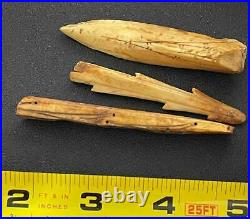
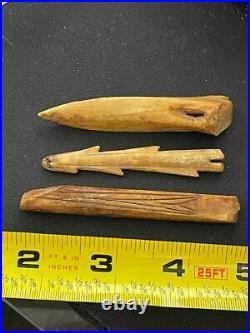
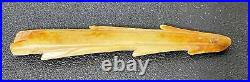
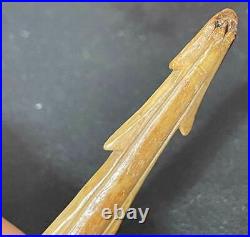
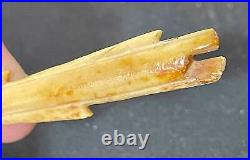
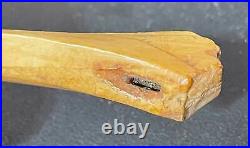
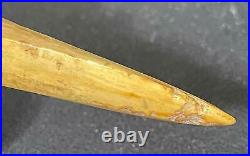
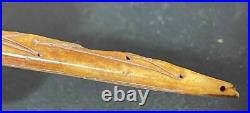
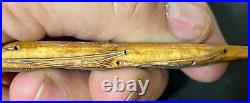
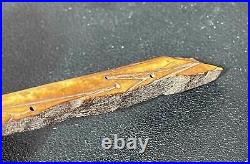
Very nice old Alaskan eskimo or Inuit deer bone (2) harpoon heads and (1) unknown artifact with many small holes. Very old and rare. Bone artifacts are very rare and collectible. Good patina on the surface, shows its age well. If you have a question, please ask. Good luck and God bless the USA! The item “Collection Of Pre-1900 Alaskan Inuit Tools Eskimo Harpoon Heads Rare Artifacts” is in sale since Thursday, August 26, 2021. This item is in the category “Antiques\Ethnographic\Native American”. The seller is “fortancient” and is located in Johnson City, Tennessee. This item can be shipped worldwide.
  • Original/Reproduction: Original
  • Color: Brown
  • Material: Bone

Collection Of Pre-1900 Alaskan Inuit Tools Eskimo Harpoon Heads Rare Artifacts