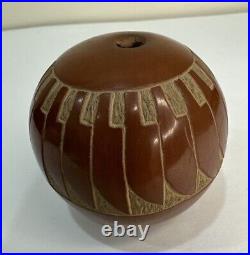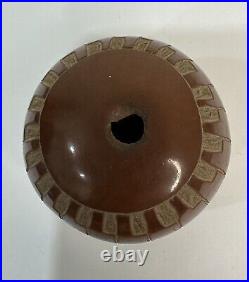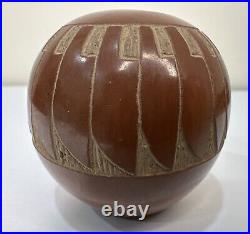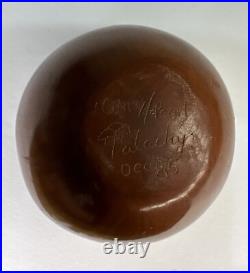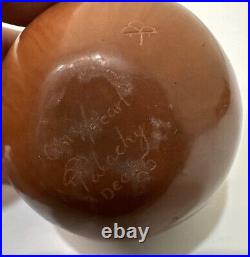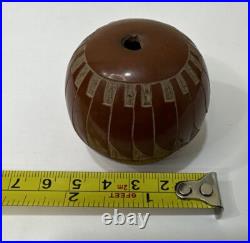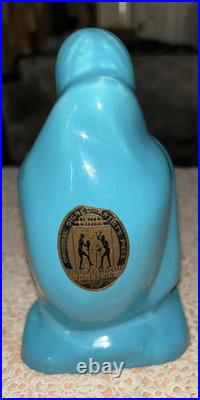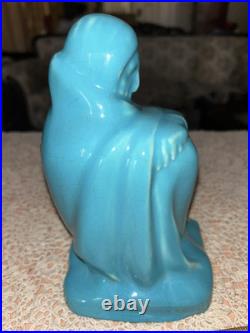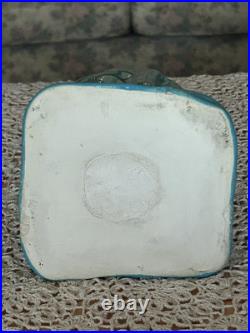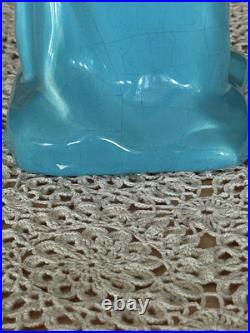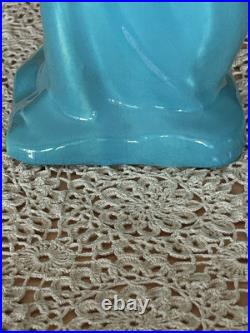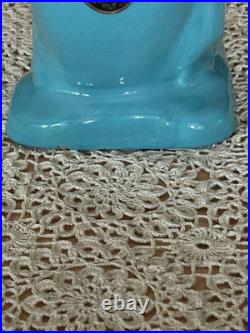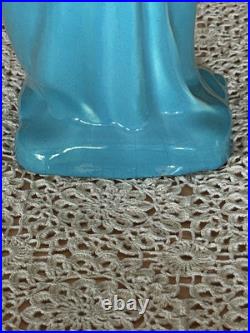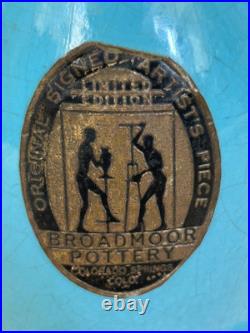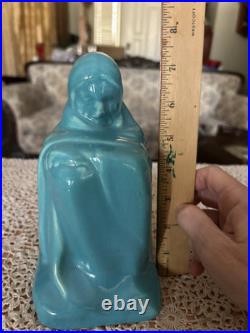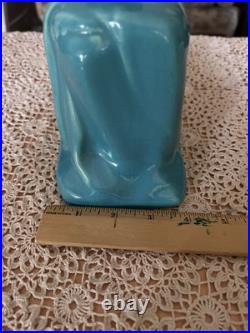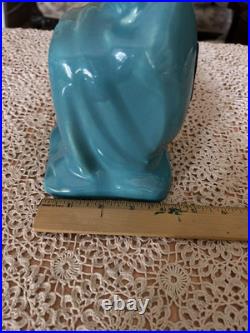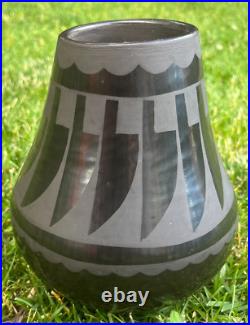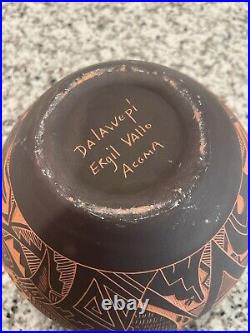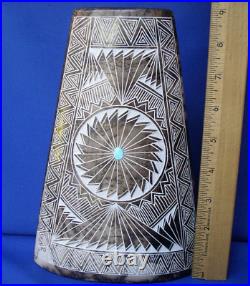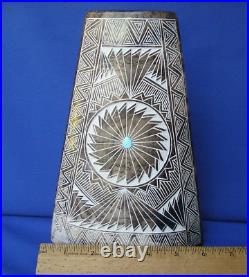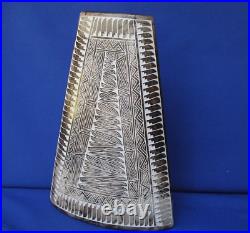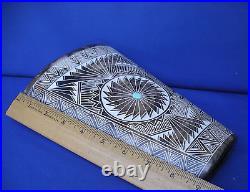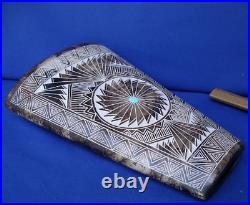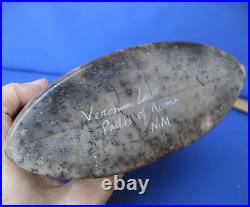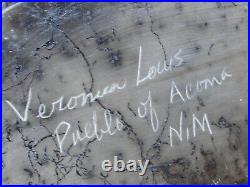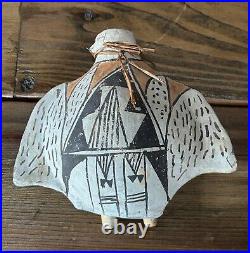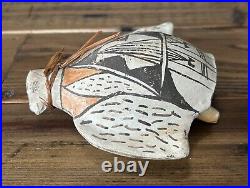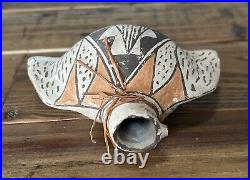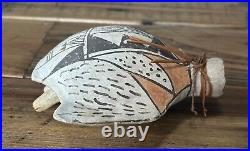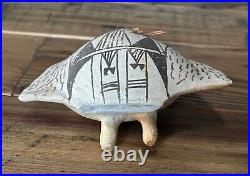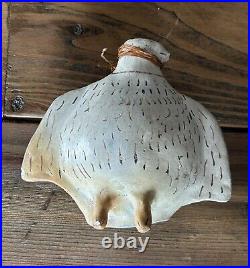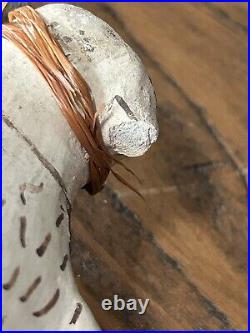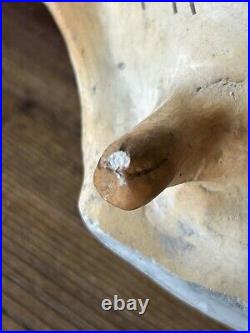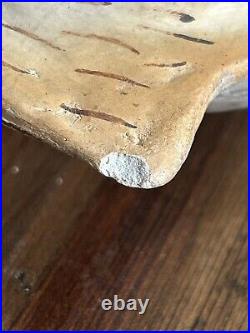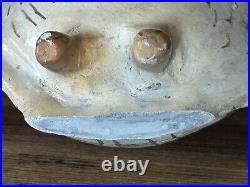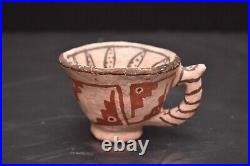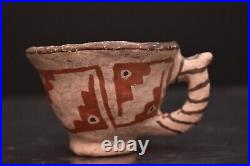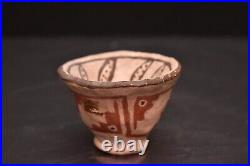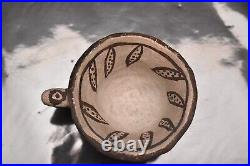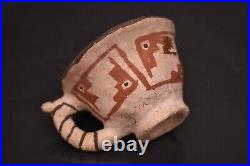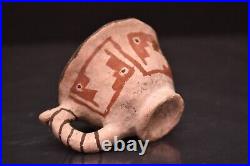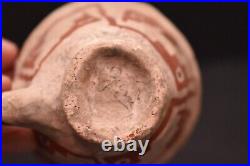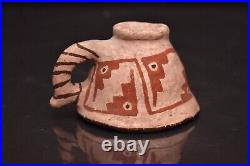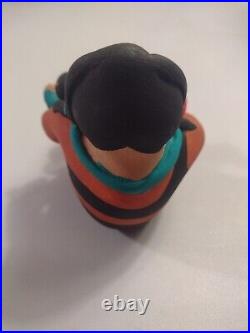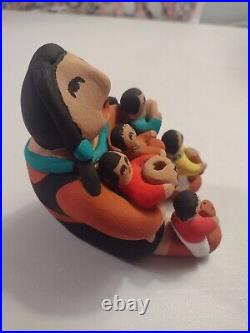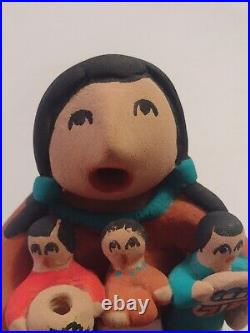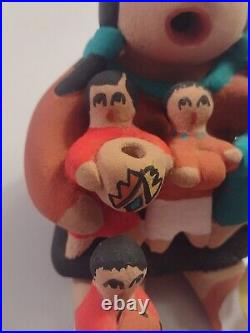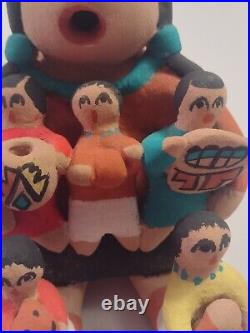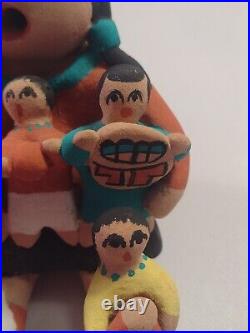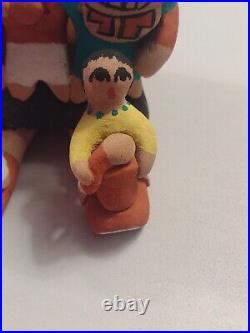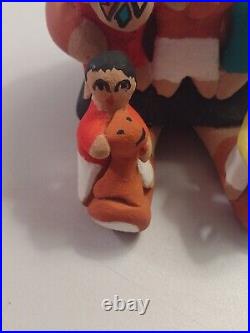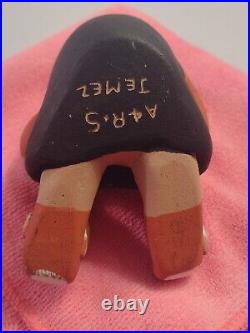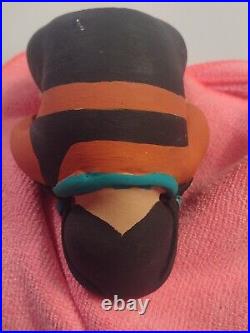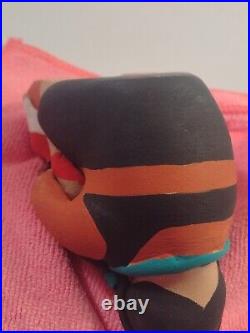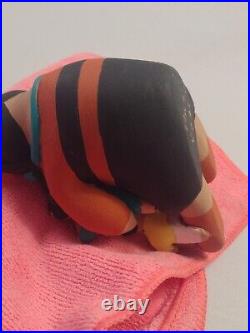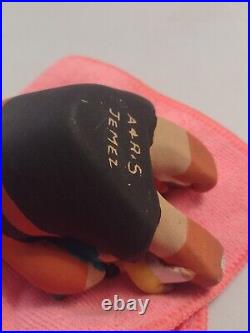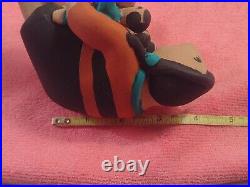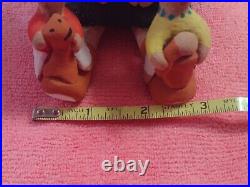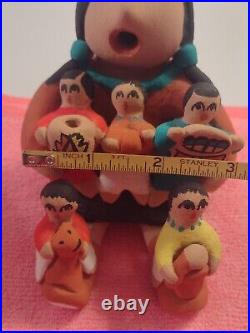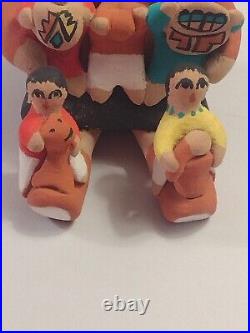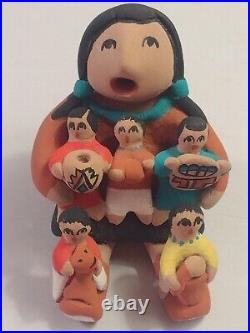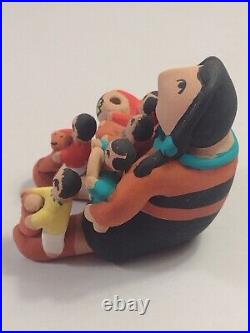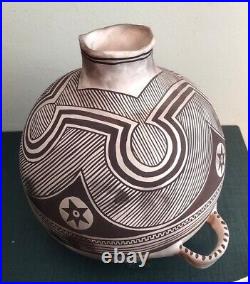
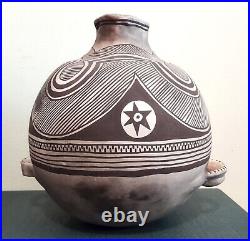
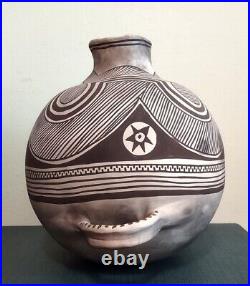
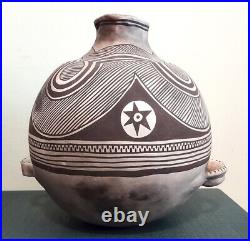
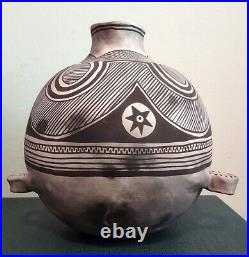
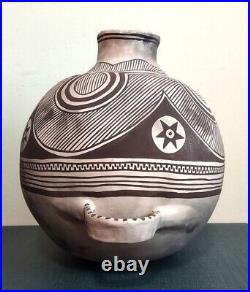
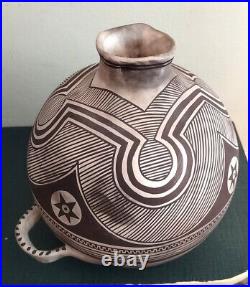
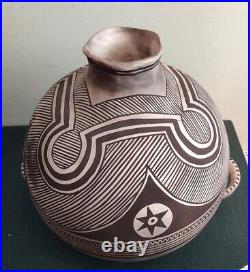
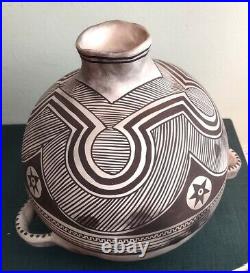
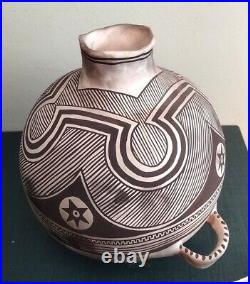
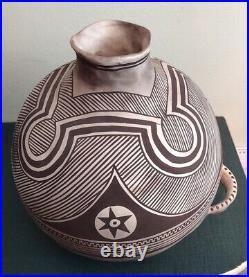
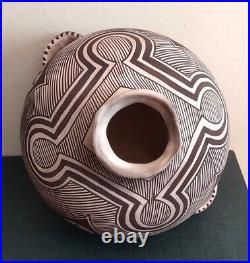
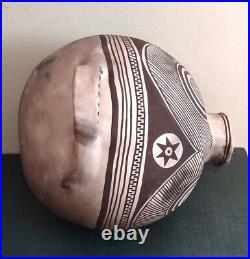
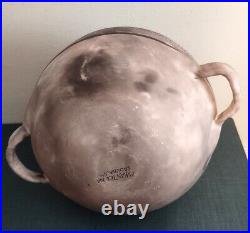
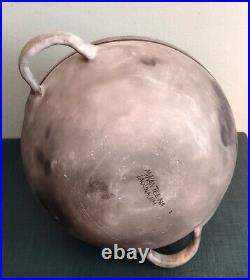
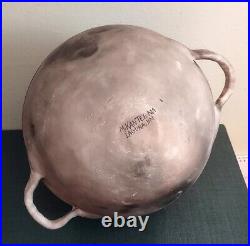
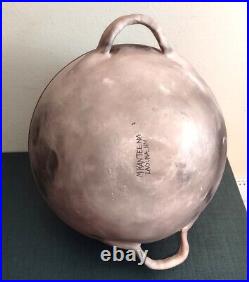

A WONDERFUL Figural turtle form with an extra amount of design AND a rare find for Hopi. RARE TO FIND OLD EXAMPLE FROM HOPI. Please see all additional photos at bottom of page. TIRED OF THE DISAPPOINTMENTS AND AGGRAVATION OF AUCTIONS? ……. SHOP WHERE THE DEALERS SHOP. 5 by 4 1/7 3/4 +/- inches and stands approx. 2 3/8 +/- inches tall. CONDITION: EXCELLENT WITH AS SHOWN SURFACE WEAR – No chips, cracks, or repairs. ADDITIONAL PHOTOS BY SCROLLING DOWN TO THE BOTTOM OF THIS PAGE. As shown in the photos. A WONDERFUL Figural turtle form with an extra amount of design. AND a rare find for Hopi. A nice one to add to your high end display. We will provide all the required documentation to help you speed through the process. IS THIS A GIFT? We can provide HOLIDAY, Birthday, etc. Gift wrapping, gift cards, etc. For a VERY nominal cost. Please let us know what you require and we will do everything we can to provide you any personalized services at the lowest possible price. Auctiva offers Free Image Hosting and Editing. Track Page Views With.
This is a rare early Zuni pottery owl. It is in great all original condition. It measures 5″ x 4 1/2″. This is a nice early piece. We guarantee all of our Native American Indian items to be AUTHENTIC American Indian traditional arts. Go down to the category: Pottery.
Being offered is a vintage, Maricopa Indian made pottery bowl. The bowl has the rare whirling logs design encircling the bowl making this piece made previous to World War 2. The bowl does show typical age related wearing in places. There are surface scratches, scuffs, and abrasions in places. The bowls designs in black also show wearing to the color. The bowl is intact with no chips, cracks, hairlines, or structural damage. The bowl is approx. 6 1/4″ wide at its widest portion by 2 3/8″ tall. The earliest known swastika was seen about 10,000 years ago. The intricate pattern of joined swastikas was found on a late paleolithic figurine of a bird, carved from mammoth ivory, found in Mezine, Ukraine. The word’swastika’ derives from an Asian Indian Sanskrit word, in which the meaning of the swastika stands for universal welfare. “Swasti” means well-being of one and all and “ka” means symbol. The swastika is one of the most ancient of all symbols and used as a symbol for peace, life and good luck. In the Western world, it was a symbol of auspiciousness and good luck until the 1930s, when it was hijacked by the German Aryan party. I find the taking of an Indian symbol despicable, and chose not to mention their name. The swastika motif is found in some traditional Native American art and iconography. Historically, the design has been found in excavations of Mississippian-era sites in the Ohio and Mississippi River valleys. It is also widely used by a number of southwestern tribes, most notably the Navajo, and plains nations such as the Dakota. The Aryan icon is an inverted version of the traditional American Indian symbol, which usually features the arms pointing counterclockwise. Before the 1930s, the symbol for the 45th Infantry Division of the United States Army was a red diamond with a yellow swastika, a tribute to the large Native American population in the southwestern United States. It was later replaced with a thunderbird symbol. The swastika is a Navajo symbol for good luck, also translated to whirling log. The symbol was used on state road signs in Arizona. In the late 19th and early 20th centuries, the swastika symbol became established in Western cultures, especially with the Navajo culture, as a good luck or good fortune symbol, and was used in Native healing ceremonies. The Navajos incorporated the swastika into their rugs, jewelry, and art. Arizona’s indigenous Pima and Maricopa people wove them into their baskets and painted them onto their pots. The swastika’s meaning does seem to be similar across cultures, generally denoting abundance and prosperity and referring to the four cardinal directions. In addition, I sell items for Native Americans and from personal collections. Please feel free to contact me with any questions about my items. Please let me know ahead of time. I will try my best to get the item out sooner. Thanks for your business.
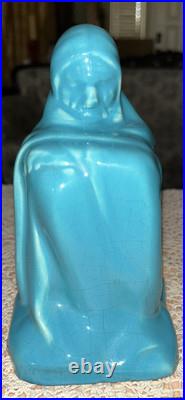
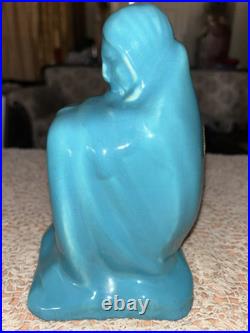
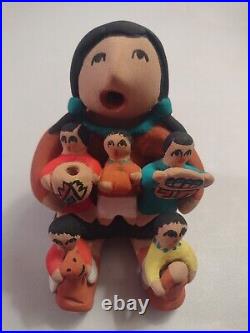
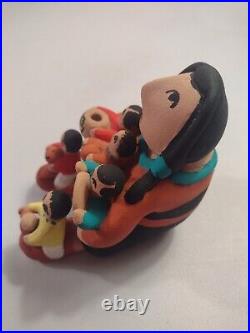
What a very rare find. 1984 made by famous potter jacque Jackson. For depicting native american statues. After doing research I could not find a set with these four pieces. If you are a collector this is a rare chance to own such a set. 12 tall and I could not find any damage.
The product is an authentic Irene Shupla – Hopi pottery vase signed w/a flower woman maker’s mark. This unique piece is handcrafted by a Native American artist affiliated with the Hopi tribe in the United States. With its rare and collectible nature, this art piece showcases the rich cultural heritage and traditional craftsmanship of the Native American people. Perfect for collectors interested in Native American art and pottery. DEAL OF THE DAY!
Here’s an Ancient Prehistoric Native American Indian Handcrafted Fired Clay Pottery Vessel which is probably Pre-Columbian in age and this Historic Artifact was Discovered at a Dig Site in the American South West (Arizona / Anastasi Tribe) many years ago. This True Relic has Survived in Amazingly Great Condition with only very minor abrasion on the rim as seen in the photos which is VERY RARE and Highly Unusual to Recover in such Wonderful Condition as This Piece. Otherwise I can not see any cracks or defects. It measures about 7 Round and It still displays a Wonderful Petina. You will be Holding History In Your Own Hands as you Reminisce Way Back In Time as You Imagine All of the History This Piece Has Seen! A Tue Testament to the Craftsmanship of the Great American Indians. Serious Collectors will be Proud to Own and to Add to Your Own Collection or for the History Buff or for the Teacher or as a Unique and Very Much Appreciated Gift. This Vessel is a Museum Quality Piece and it is considered to be Fragile and it deserves to be treated as such. This Rare Opportunity is Priced to Move and it will Not be Available for long, so Act Now. Please check out my other items. Thanx + God Bless.
This is a rare and authentic antique Native American Indian Head Brick. The brick features a stunning depiction of a Native American Indian head, making it a valuable artifact for collectors and enthusiasts of Native American culture. The brick is a unique and valuable addition to any collection of Native American artifacts. The craftsmanship of the Indian head and the age of the brick make it a true work of art that tells a story of early Native American culture in the US. Good condition for its age. There is a hairline crack that measures 5 from the top of the brick to about half way down. The top left has a chip taken out of it, as for 3 more smaller chips around the edges. The back is hollowed out. Overall brick measures 8″ x 8″ x 2.5. Refer to pictures and feel free to ask questions you may have before purchasing. Send a message prior to paying your invoice.
Gorgeous hard to find (set of 8) assorted Native American Navajo ornaments by Irene & Ken White. Dimensions : Small ornaments are approximately 1 1/2″ wide x 2 1/2″ long; Approximate Circumference : 5 3/4″ ; Approximate Weight (each) : 2.5 oz Large ornaments: each ornament has a slightly different size because they are handmade but basic dimensions are 2 1/2 inches long by 2 1/2 inches wide; Approximate Circumference : 7 1/2″ ; Approximate Weight (each): 3.7 oz. These ornaments are solid (do not feel hollow or lightweight), just like their other pottery pieces. There are no chips or cracks, and the ornament hooks are intact and functional. The design on these ornaments goes all the way around the ornament and all the way from the top to the very bottom. Each ornament has the initials IW or KW. They were never put on a Christmas tree, but they have been on display in a soft basket all year long. They are just too beautiful to use only seasonally. If you love and appreciate the style and craftsmanship of these amazing Navajo potters, you will want these rare ornaments for your collection. Original owner / smoke free / pet free home.
Extremely Rare Antique 1930’s WPA Museum Extension Project Diorama – Making Pottery – Cliff Dwellers. The diorama measures 13″ x 10″ x 8 3/4 and is in nicely maintained condition with the label attached and legible. Hinges are solid and function well. Both pieces of glass are intact. Overall a wonderful example of early WPA artwork. In the early 1930’s, during the great depression, President Roosevelt enacted the “New Deal Program”. One of the programs was the Works Progress Administration (WPA) (also: Work Projects Administration). The program employed thousands of out of work jobseekers to carry out public works projects. Many artists & artisans were employed in the creation of exhibitions for schools. These exhibitions, like this diorama, are very fragile & therefore many do not exist today. The box is made of wood & painted black. The front window & the inner roof of the box are glass. The top of the diorama has a hinged lid, which is held up by a wooden rod, which allows light to enter the top of this diorama. The top inner glass has one corner cut out to accommodate this wooden rod to drop down out of the way.